Fresh stem split
A newly opened crack, separated main union or loud cracking movement, especially where the canopy is loaded unevenly.
Tree surgery · Tree removal · Stump grinding · Hedge and clearance work
Fallen, split and storm-damaged trees
Urgent assessment enquiries when a tree or branch has failed, moved in high winds, blocked essential access or presents an immediate concern near people, property or a public route.
Make the area safe first
Keep people, pets and vehicles away from the fall zone. A branch can remain suspended by fibres, neighbouring trees, fences or cables and move without warning. Do not pull at it, climb the tree, use a ladder or attempt chainsaw work from the ground beneath it.
If there is an immediate threat to life, a blocked public road, fire, or contact with electrical equipment, use the appropriate emergency service or network operator. Stay well clear of trees and fencing near power lines; electricity can travel through wet timber and connected objects.
When it is safe, send wide photographs from outside the danger area. Include the location, what changed, whether movement is continuing, and what lies beneath or beside the tree. Never take a closer photograph if doing so enters the likely fall zone.
Urgency indicators
A newly opened crack, separated main union or loud cracking movement, especially where the canopy is loaded unevenly.
New soil cracking, raised roots or visible movement around the base after strong wind, impact or waterlogged conditions.
A broken limb caught in the crown or supported by another tree, cable, roof or fence above a used area.
A lean that is new or increasing, particularly with ground movement, root damage or cracking on the opposite side.
A fallen tree preventing safe access to a home, business, farm route or emergency entrance.
A vehicle strike, construction damage or neighbouring tree failure that has altered the stem, roots or load on the canopy.
Make safe, then complete
The safest immediate response may be to isolate the area, remove a suspended limb or reduce unstable weight. Completing the entire removal in darkness, severe weather or without suitable equipment can introduce more risk. Remaining work can be planned for a safer return visit.
Weather, road access, traffic management, cranes, utilities and protected-tree controls can affect what is possible immediately. Keep photographs and written records where an insurer, landlord, managing agent or local authority may need evidence.
If the issue is not urgent, use the tree surgery or tree removal guide to prepare a normal quotation request.
Common projects
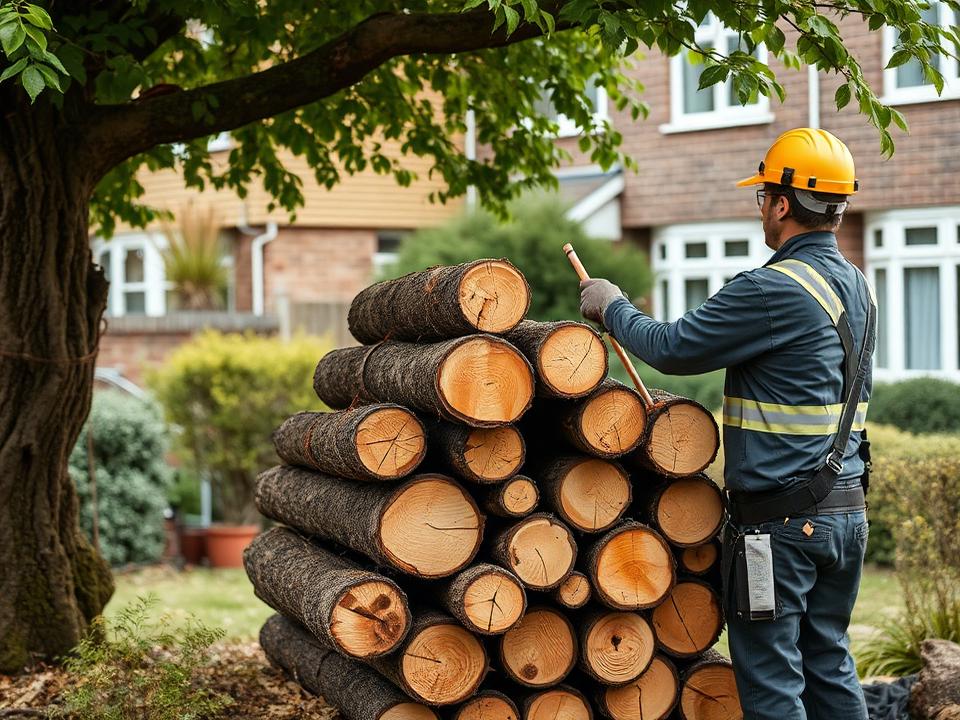
Plan cutting, lowering, timber handling and the finish required around the stump.
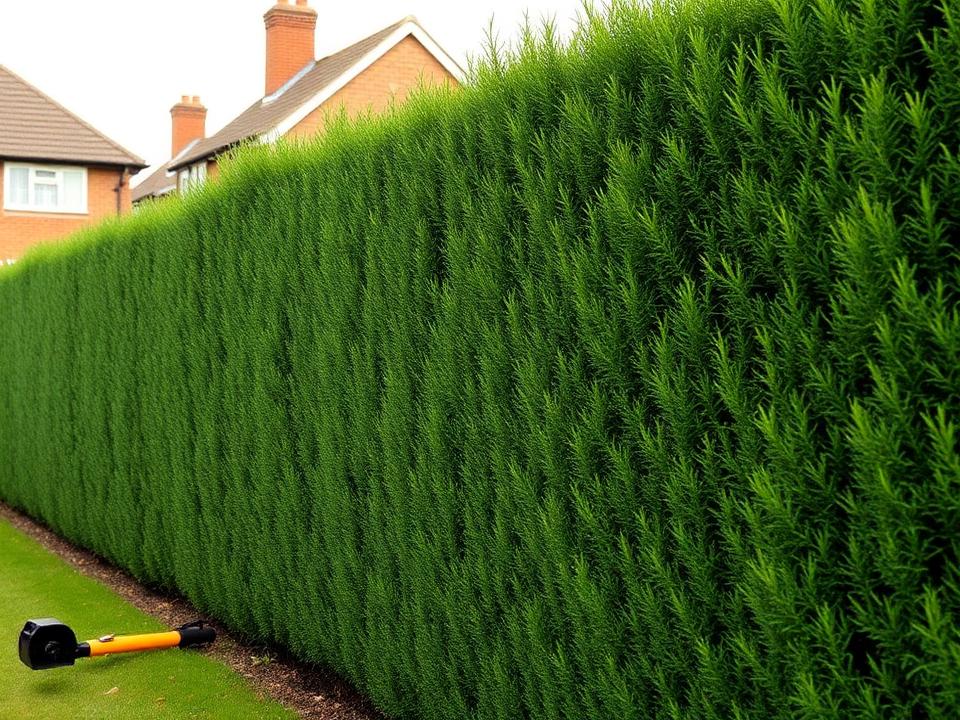
Agree the final height, face and width, with access and green-waste volume considered.
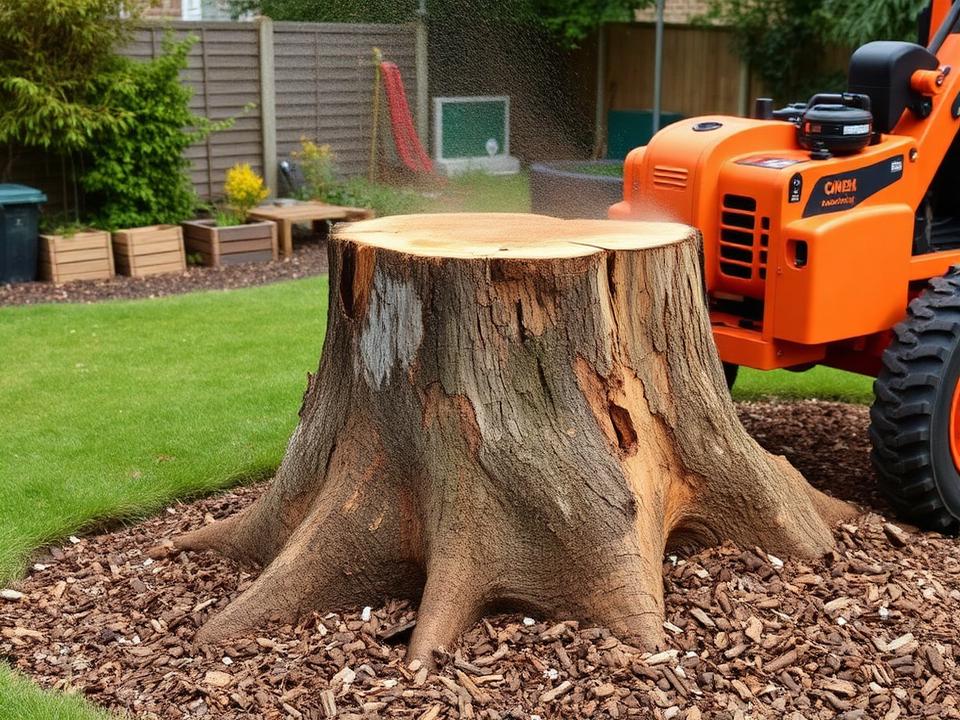
Specify access, grinding depth, arisings and how the ground will be used afterwards.
Service area
Include your postcode with the enquiry so travel, access and the most suitable next step can be confirmed before a visit is arranged.
Helpful details
Examples include a fallen tree blocking essential access, a split stem, recently exposed roots, a hanging branch over a used area, or a tree that has moved and threatens people or property. Keep everyone away and describe any change clearly when making contact.
Stay well clear and do not touch the tree, branches, fencing or equipment nearby. Contact the electricity network operator and emergency services where there is an immediate risk. Tree work should not begin until the electrical hazard is controlled.
The first priority may be to isolate the area or remove an immediate hazard. Full removal can depend on daylight, weather, access, equipment, traffic management and protected-tree requirements. A staged response may be safer than completing everything at once.
If it is safe to do so, send wide photographs showing the whole tree and surroundings, plus closer images of splits, lifted roots or failed branches. Never stand beneath damaged limbs or cross barriers to take a photograph.
If a tree has damaged a building, vehicle, boundary or neighbouring property, notify the relevant insurer promptly and keep photographs, quotations and invoices. Your insurer can explain any evidence or approval they require before non-emergency restoration work.
Free quotation
Send the postcode, photographs and a brief description. Include the intended result and any access concerns so the enquiry can be assessed accurately.