Tree stump removal

Stump Grinding Shrewsbury

Remove the main stump below an agreed level so an awkward obstruction can be prepared for turf, planting, gravel or landscaping—with access, roots and arisings considered first.

Choose the required finish

Grinding depth should match what happens next

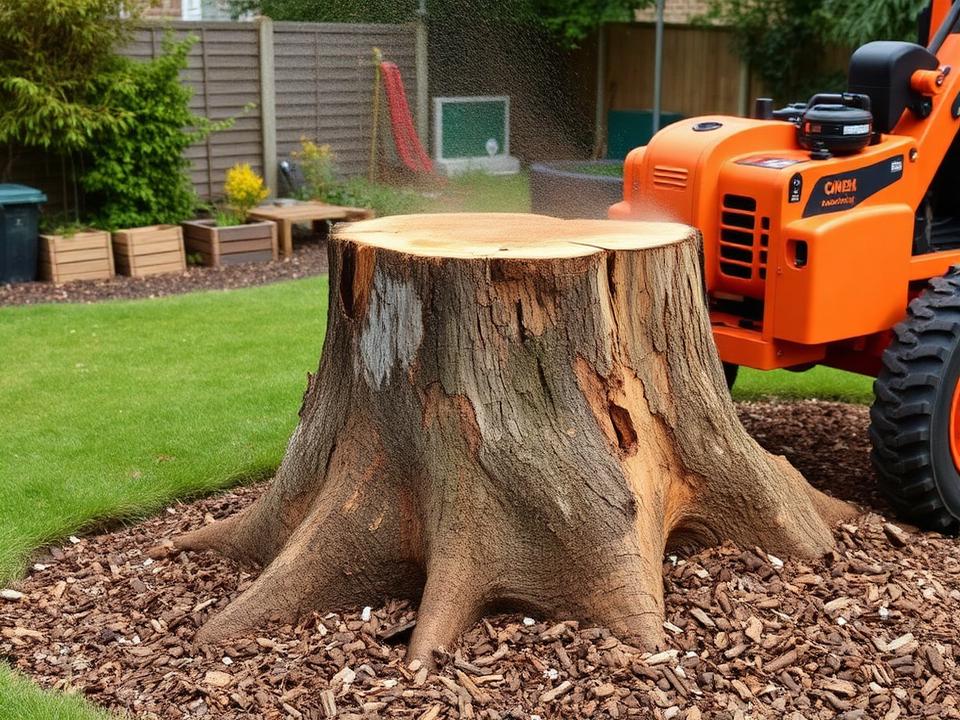
A stump left after tree removal can obstruct mowing, planting, fencing and landscaping. Grinding uses a rotating cutting wheel to reduce the main stump and accessible buttress roots into small wood fragments. It is normally less disruptive than excavating the whole stump with heavy machinery.

“Below ground” is not a complete specification. Turf may need a different depth and backfill from a new path, patio or replacement tree. Tell the contractor how the area will be used so the grinding area, depth, removal of arisings and any imported topsoil can be shown clearly in the quote.

Grinding does not remove the entire underground root system. Wider roots are normally left to decay naturally unless a separate excavation is required for engineering or construction reasons.
Free quote

Send job details

Email Instead

Before the machine arrives

Measure access and identify hidden services

Machine route

Measure the narrowest gate, passage and turn between the road and stump. Photograph steps, slopes, soft lawns, gravel, low branches and fragile paving. A machine that fits the gate may still need room to turn and work safely around the stump.

Underground hazards

Electricity, gas, water, drainage, irrigation, lighting cables and old metalwork can be hidden near roots. Share service plans and point out known routes. Mechanical grinding should not proceed until uncertain hazards are located and controlled.

Stones and attachments

Gravel, concrete, nails, wire, washing lines and fence fixings can damage equipment or become projectiles. Clear loose material where possible and disclose anything attached to or embedded in the old stem.

Arisings and backfill

The volume of mixed wood fibre and soil can be larger than expected. Decide whether it stays, is removed, or is partly reused. Fresh arisings settle as they decompose, so immediate turf or hard landscaping may need a more suitable backfill.

Send useful photographs

Show scale, access and the surrounding ground

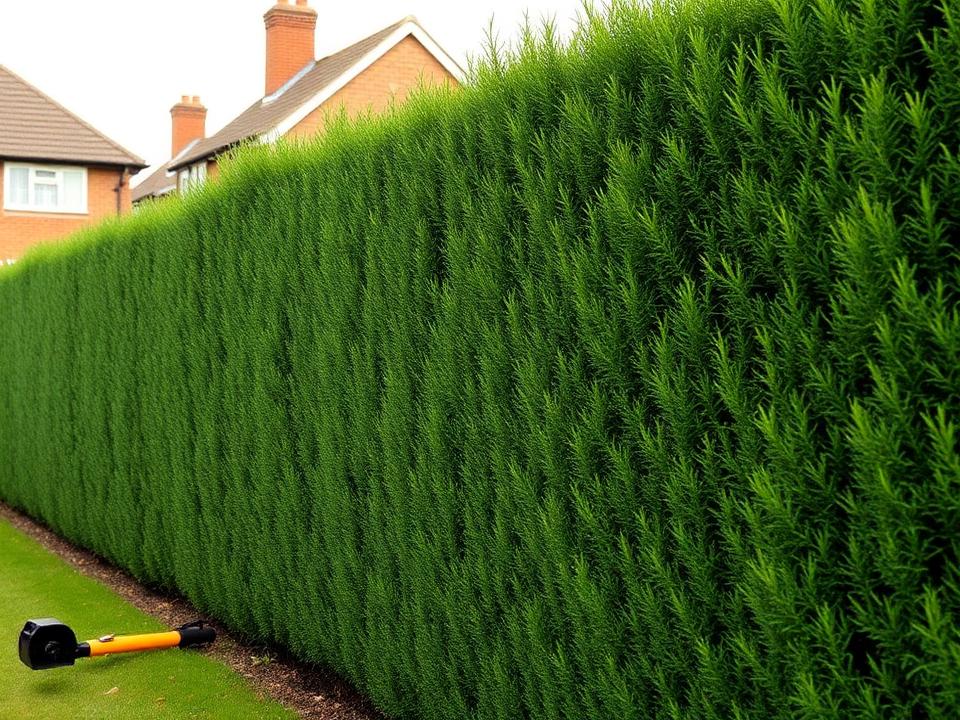
Include one wide image, close views of the stump and surface roots, and the full access route. Place a tape measure or familiar object beside the widest point for scale. Mention whether the tree has been freshly cut, the species if known, and the planned finish. A stump beside a wall, drain, fence post or utility cover needs more context than diameter alone can provide.

Service area

Shrewsbury and surrounding communities

Include your postcode with the enquiry so travel, access and the most suitable next step can be confirmed before a visit is arranged.

ShrewsburyBayston HillMeole BraceHarlescottBattlefieldMonkmoorCopthorneBelle VueRadbrookSundorneAtchamCondover
Check all areas covered

Helpful details

Stump grinding and ground-finish questions

How far below ground does stump grinding go?

The useful depth depends on the intended finish, stump size, soil and access. A shallow grind may be enough for turf, while replanting or construction can need a different specification. Explain the planned use of the area when requesting a quote.

Does grinding remove every root?

No. Stump grinding removes the main stump and accessible buttress roots to the agreed area and depth. The wider root system normally remains underground and decays over time. Full root excavation is a different and more disruptive operation.

What happens to the grindings?

Grinding produces a mixture of wood fibre and soil. It can be left to settle, used as mulch where suitable, or removed as part of the job. Removal and imported topsoil should be agreed in advance if the area needs an immediate finished level.

Can a stump grinder reach a back garden?

Many machines are designed for restricted access, but gates, steps, slopes, narrow passages and soft ground still matter. Measure the narrowest point and send photographs so suitable equipment can be considered before a visit.

Can I replant in the same position?

Replanting directly over the old stump is not always ideal because roots and grindings remain. A nearby position, replacement soil or a larger excavation may be recommended depending on the new plant and the condition of the ground.

Free quotation

Tell us about the work you are considering

Send the postcode, photographs and a brief description. Include the intended result and any access concerns so the enquiry can be assessed accurately.

Free QuoteCall Now