Routine trimming
Remove recent growth to maintain an established height, face and width while the hedge is still within its intended outline.
Tree surgery · Tree removal · Stump grinding · Hedge and clearance work
Trimming, shaping and reduction
Hedge maintenance planned around the species, present condition, required height and width, neighbouring access, nesting wildlife and the amount of green waste produced.
Choose the right operation
Routine hedge cutting removes recent growth to hold an established shape. It normally produces smaller material and is less disruptive than allowing repeated cycles of major overgrowth. A reduction cuts into older stems to change the hedge's overall dimensions and needs more careful planning.
Yew, privet, hawthorn, beech, laurel and common conifers do not respond identically. Many conifers will not regenerate from bare brown wood, while some broadleaf hedges can tolerate a more gradual restoration. The achievable finish therefore depends on the live growth available, not only the requested measurement.
If the real aim is to remove widespread bramble, shrubs and accumulated vegetation rather than maintain a hedge, the separate garden clearance guide describes that work more accurately.
A comparable quotation
Remove recent growth to maintain an established height, face and width while the hedge is still within its intended outline.
Lower the top to an agreed level, considering stem size, species response, screening needs and what the finished line will expose.
Reclaim space beside paths, drives and boundaries without cutting beyond the live growth that the hedge can reasonably retain.
Correct an uneven outline or neglected sections, sometimes over more than one visit where a severe single reduction would be unreliable.
Boundaries and access
A quotation should state whether it covers the top, one face, both faces and the ends. Hedges beside neighbouring property, roads, parked vehicles, conservatories, sheds or steep banks can require different access and protection from a hedge in an open lawn.
Do not assume entry to adjoining land. Ownership, shared boundaries and access should be discussed before booking. Send photographs from both ends and identify the narrowest route between the road and the hedge, including gates, steps and soft ground.
Wildlife and timing
Birds can nest in formal hedges, ivy, bramble and adjoining shrubs. Active nests must not be damaged or destroyed, so an affected section may need to be left, the method adjusted or the work delayed. A fixed date should not override what is found on site.
The quotation should also explain how cuttings are handled. Light trimmings, dense evergreen material and heavy woody stems produce very different volumes. Confirm whether material is removed, chipped where suitable or left at the property by agreement.
Common projects
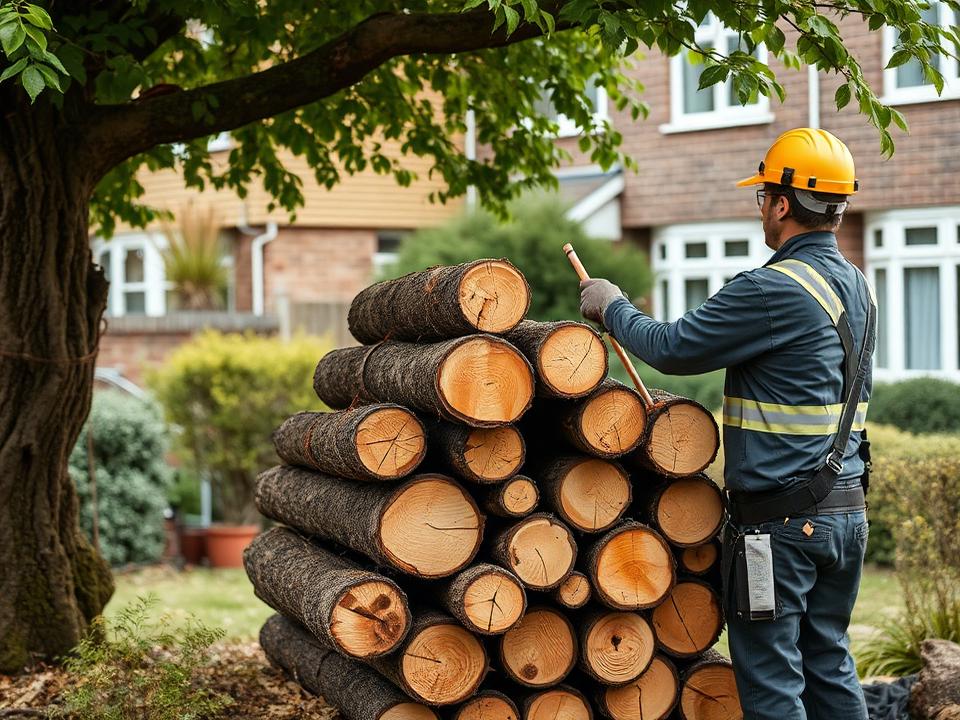
Plan cutting, lowering, timber handling and the finish required around the stump.
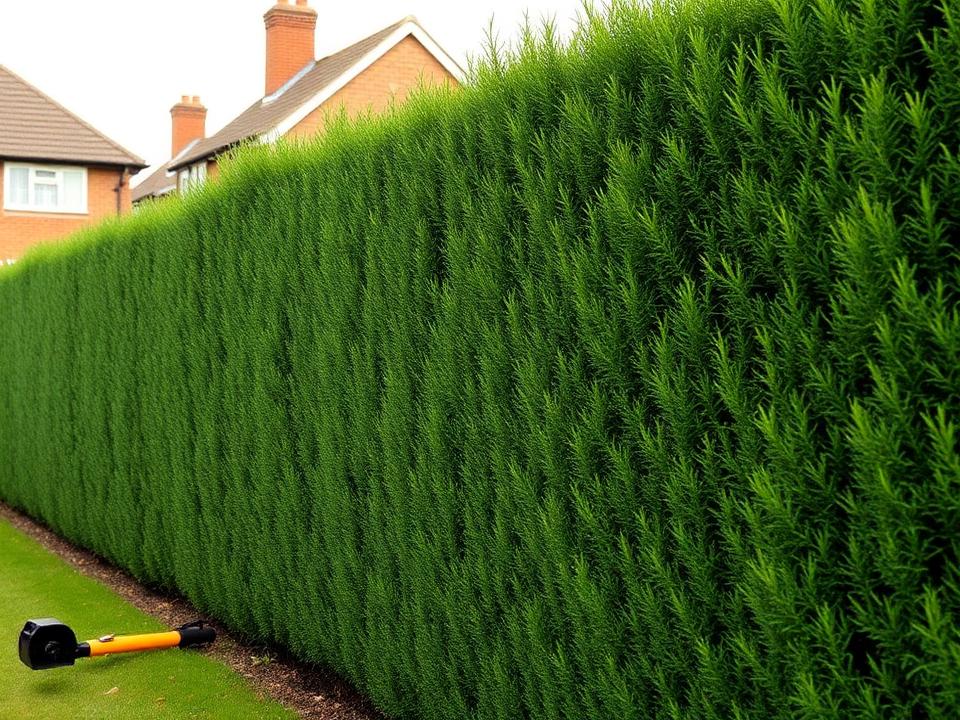
Agree the final height, face and width, with access and green-waste volume considered.
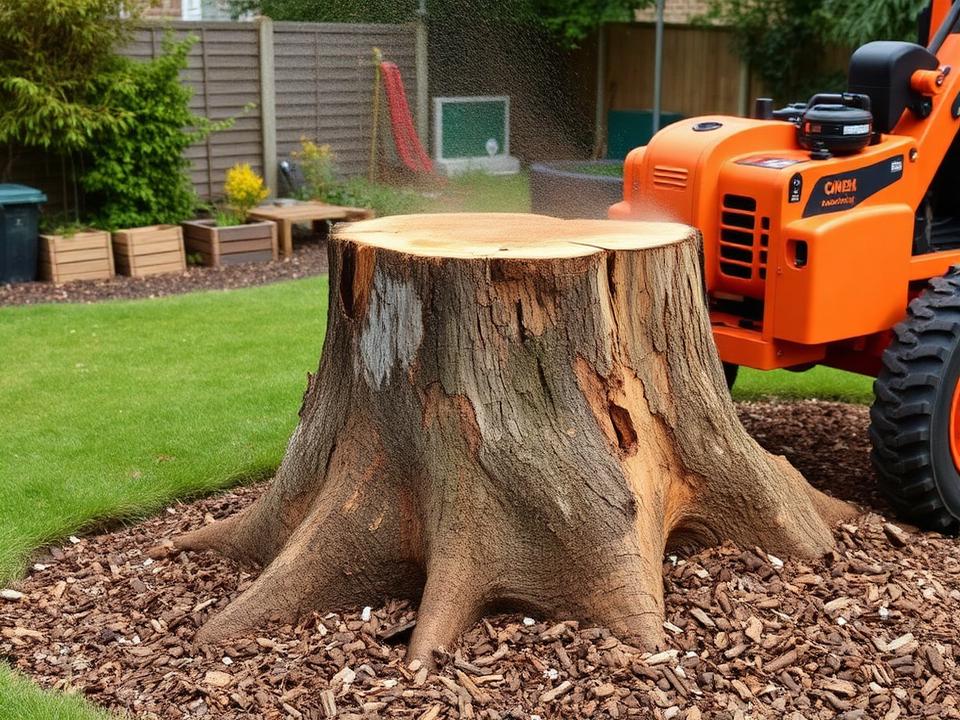
Specify access, grinding depth, arisings and how the ground will be used afterwards.
Service area
Include your postcode with the enquiry so travel, access and the most suitable next step can be confirmed before a visit is arranged.
Helpful details
It depends on the species, desired finish and rate of growth. Formal hedges may need several light trims during the growing season, while established informal hedges may only need periodic shaping. Heavy reductions need more planning than routine trimming.
Sometimes, but not every hedge responds well to cutting back into old wood. Species, condition, nesting activity and the amount of live growth all affect what is sensible. A staged reduction may produce a better and more reliable result.
Active nests must not be damaged or destroyed. Work may need to be delayed, reduced or adjusted if nesting birds are present. Tell the contractor about visible activity and avoid disturbing the area before it is checked.
Only where ownership and access are clear. Work from a neighbouring property should be agreed with that occupier in advance, and the quotation should state which faces and sections are included. A contractor should not assume permission to enter adjoining land.
Many conifers do not reliably regenerate from old, bare brown wood. Reducing too far can leave permanent gaps, so the proposed width and height should be checked against the live green growth before cutting starts.
Free quotation
Send the postcode, photographs and a brief description. Include the intended result and any access concerns so the enquiry can be assessed accurately.