Crown reduction
Shorten selected branches to reduce height or spread while keeping a balanced, recognisable crown.
Tree surgery · Tree removal · Stump grinding · Hedge and clearance work
Pruning and tree management
Practical tree care for clearance, safety, structure and long-term management. The right specification depends on the tree, the reason for the work and the space around it—not simply how much can be removed.
Define the objective
A tree may need attention because branches are dead, damaged, obstructing access, touching a roof or extending beyond the space available. Other enquiries are about improving light or managing a mature crown before it becomes a larger conflict. These are different objectives and should not receive the same generic solution.
The quotation should identify the tree, describe the pruning operation and explain the intended result. Percentage reductions need context: the final dimensions, branch sizes and shape matter more than an impressive-sounding number. Excessive pruning can create large wounds, stress the tree and encourage dense weak regrowth.
If the tree is dead, substantially defective or unsuitable for retention, see the separate tree removal guide.
Shorten selected branches to reduce height or spread while keeping a balanced, recognisable crown.
Remove or shorten lower growth to improve clearance over drives, paths, roads, lawns and buildings.
Selectively remove smaller internal growth where a justified reduction in canopy density is required.
Remove dead or fractured branches where their position and size create an unacceptable risk.
Guide younger trees by addressing competing stems, poor attachments or future clearance conflicts early.
Create practical separation from roofs, gutters, walls, lights and access routes without over-pruning the tree.
Tree protection
A Tree Preservation Order can protect an individual tree, a group or woodland. Written consent may be required before cutting branches or roots. Trees in conservation areas can also be subject to notice requirements even where no individual order exists.
Ask the local planning authority to confirm status when there is any doubt. The UK Government provides a postcode-based route to the relevant authority on its protected-tree application page. Permission should describe the same work that appears on the contractor's quotation.
Nesting birds, bats and other wildlife can also affect timing and method. Work should be paused or adjusted if it would damage an active nest or disturb protected species.
Useful quotation details
Send a full-tree photograph, closer views of the concern, and images showing access from the road. Include the postcode, approximate height, desired clearance and anything below the canopy. Gates, steps, sloping ground, conservatories, sheds, ponds, neighbouring gardens and parking restrictions can all affect the safe method and equipment required.
Common projects
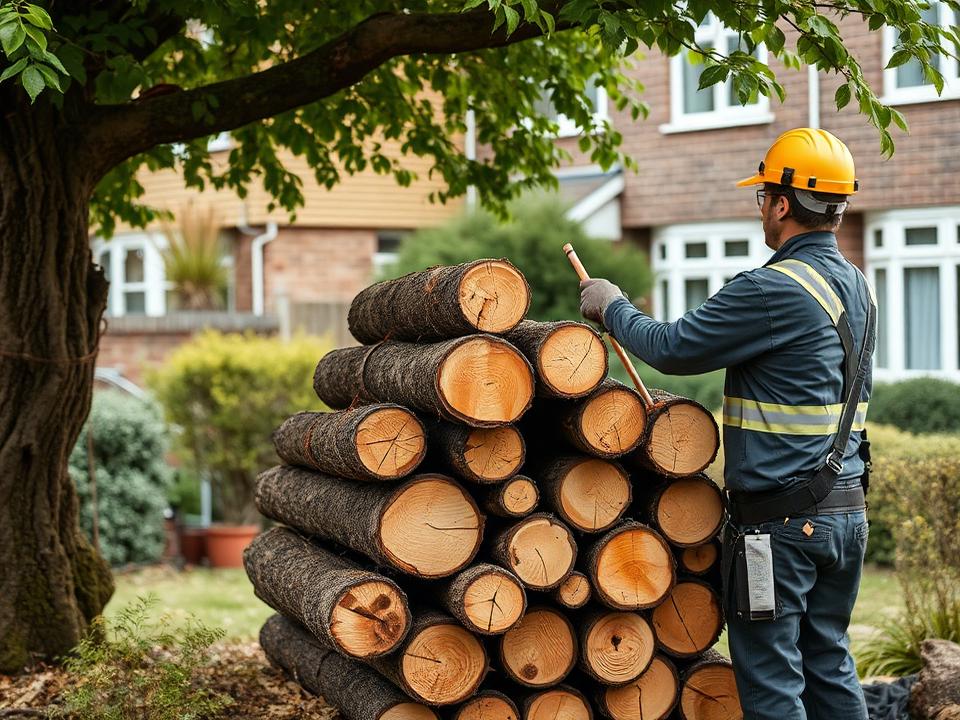
Plan cutting, lowering, timber handling and the finish required around the stump.
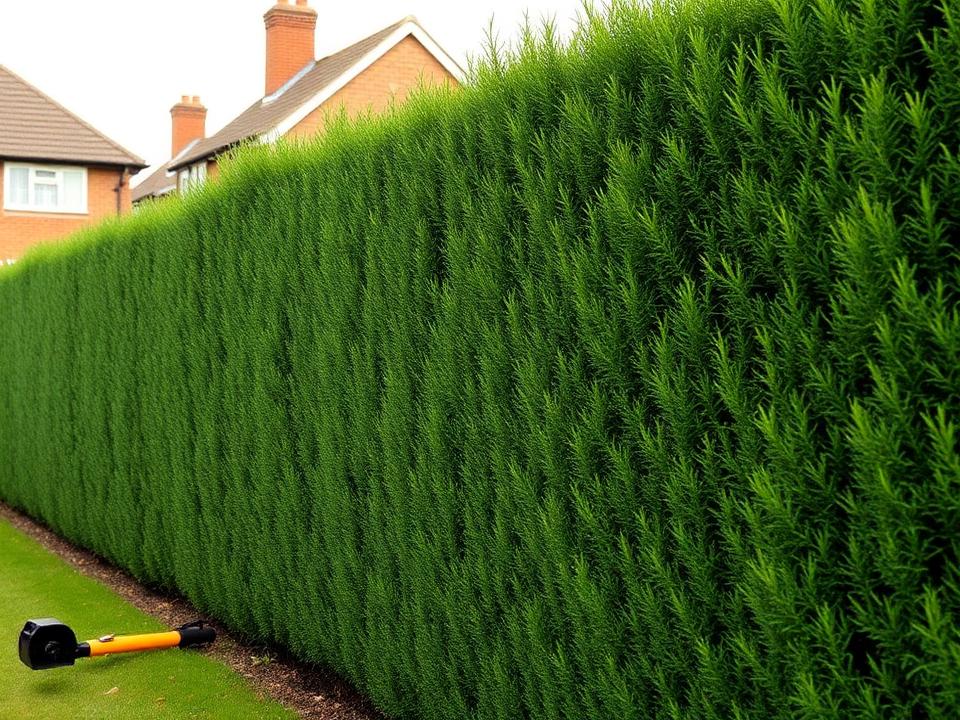
Agree the final height, face and width, with access and green-waste volume considered.
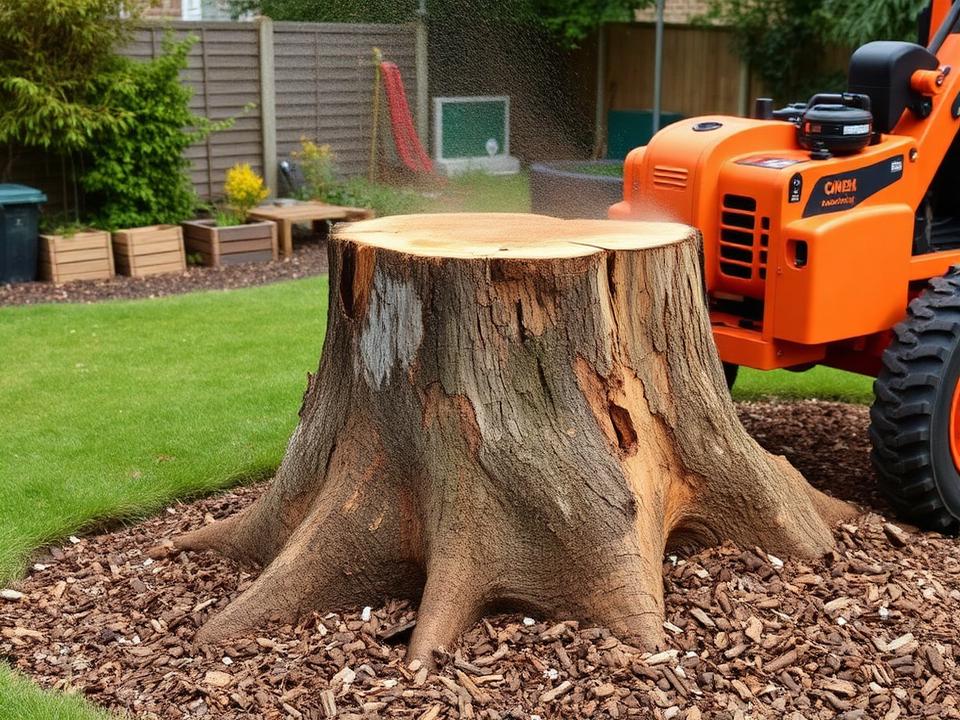
Specify access, grinding depth, arisings and how the ground will be used afterwards.
Service area
Include your postcode with the enquiry so travel, access and the most suitable next step can be confirmed before a visit is arranged.
Helpful details
Crown reduction shortens selected branches to reduce the overall height or spread while retaining a balanced outline. Crown thinning selectively removes smaller internal growth to reduce density. Crown lifting removes or shortens lower branches to increase clearance above paths, drives, roads or buildings.
Appropriate pruning can remove dead or damaged branches, improve clearance and address structural concerns. Unnecessary or excessive cutting can harm a tree, so the work should respond to a clear objective rather than simply removing as much growth as possible.
Often, yes. A considered crown reduction works back to suitable growth points and aims to retain the tree's natural form. Topping leaves large indiscriminate cuts and can trigger weak regrowth, so it is rarely the best long-term approach.
There is no single timetable for every tree. Species, age, condition, location and previous work all matter. Trees close to buildings, roads or busy areas may justify more regular observation, particularly after storms or when new defects appear.
Protection status should be checked before work begins. If a tree is covered by a Tree Preservation Order or stands in a conservation area, the scope and timing may depend on consent or notification through the local planning authority.
Free quotation
Send the postcode, photographs and a brief description. Include the intended result and any access concerns so the enquiry can be assessed accurately.