Reason for removal
Record whether the concern is condition, damage, unsuitable location, subsidence advice, development or an unavoidable access conflict.
Tree surgery · Tree removal · Stump grinding · Hedge and clearance work
Felling and sectional dismantling
Tree removal for dead, unsafe, badly damaged or unsuitable trees, planned around the available space, nearby property and the finish required after the stem is down.
Retain where reasonable
A large tree is not automatically dangerous, and height alone is not a defect. Removal may be appropriate when a tree is dead, has serious structural problems, has failed in a storm, causes damage that cannot be managed another way, or is fundamentally incompatible with its location. Where retention is practical, targeted tree surgery may solve the problem with less disruption.
The quotation should identify the tree and method, not simply say “remove tree”. It should also define timber and waste arrangements, final stump height, protection for lawns or hard surfaces, and anything the property owner must organise before work.
If condition is uncertain—particularly with a mature tree near a building, road or frequently used area—an independent arboricultural assessment may be more appropriate than making a decision from photographs alone.
A complete removal plan
Record whether the concern is condition, damage, unsuitable location, subsidence advice, development or an unavoidable access conflict.
Use straight felling only where the drop zone is genuinely suitable. Confined sites normally require dismantling in smaller sections.
Decide how branches and timber will reach the ground without damaging roofs, fences, paving, planting or neighbouring property.
State whether logs, woodchip and brash stay on site, are cut to a requested size, or are removed as part of the quotation.
Agree the stump height and whether separate grinding is needed for turf, planting, hard landscaping or future construction.
Confirm protected-tree status, ownership, shared access, parking, road constraints and any overhead or underground services.
Straight fell or dismantle?
Straight felling brings the tree down largely in one piece and requires enough clear space in the intended direction, plus allowance for crown spread and unexpected movement. It is not suitable simply because a garden looks long enough from one angle.
Sectional dismantling removes branches and stem pieces in a controlled sequence. Ropes, rigging and lowering methods may be used where sections cannot be allowed to fall. This is typical around houses, extensions, roads, fences, sheds and carefully planted areas.
Ground access matters too. A tree may be straightforward to cut but difficult to remove if every branch and log must pass through a house, narrow alley or stepped garden. Send photographs of that route when requesting the quotation.
Unless the quotation says otherwise, tree removal and stump removal are separate stages. A low stump may be acceptable in a border, while a lawn, driveway or building project can require grinding to an agreed depth. Wider roots usually remain in the ground even after the main stump is ground. Review the stump grinding guide before choosing the final finish.
Common projects
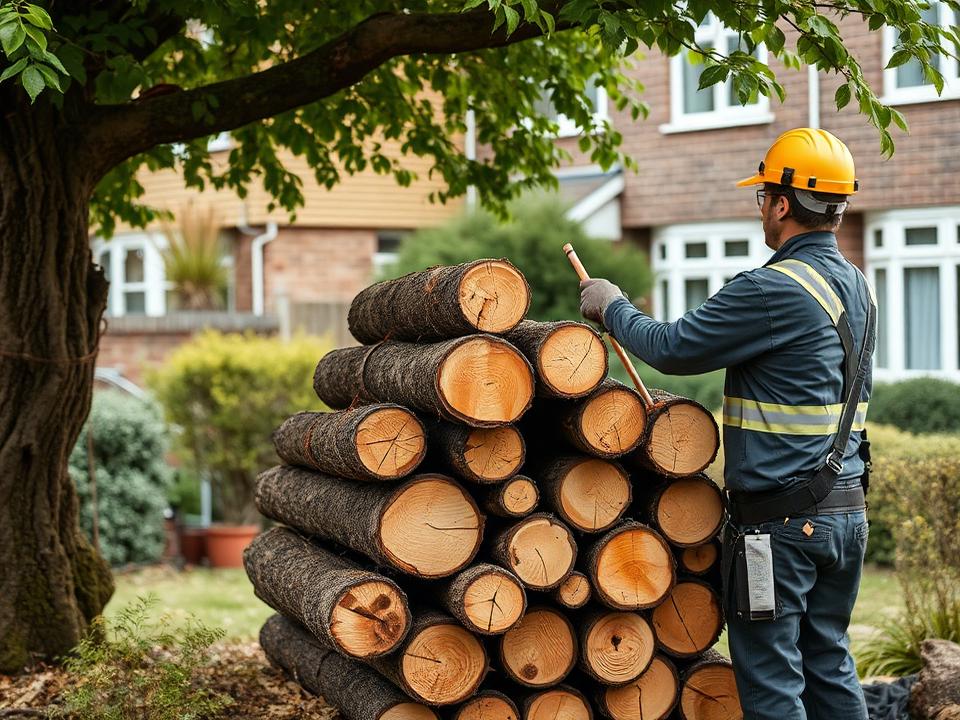
Plan cutting, lowering, timber handling and the finish required around the stump.
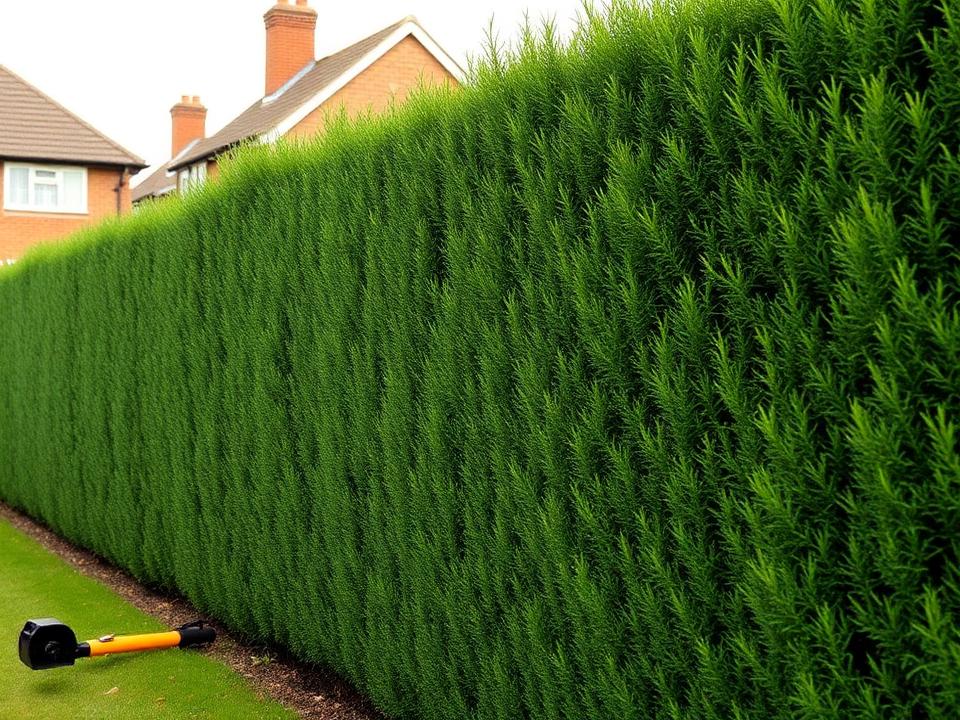
Agree the final height, face and width, with access and green-waste volume considered.
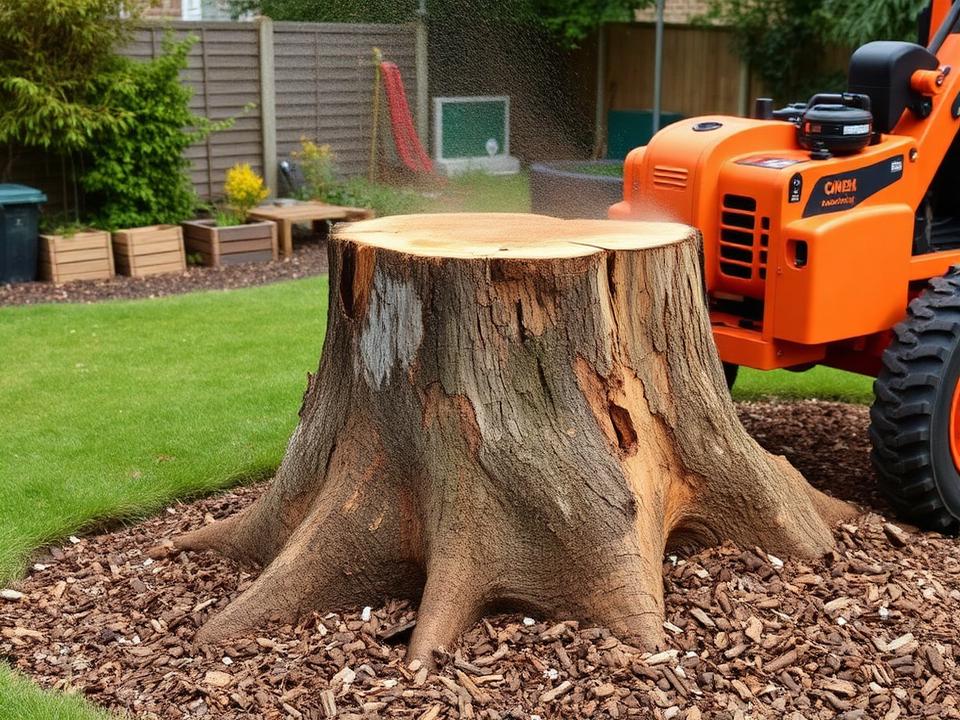
Specify access, grinding depth, arisings and how the ground will be used afterwards.
Service area
Include your postcode with the enquiry so travel, access and the most suitable next step can be confirmed before a visit is arranged.
Helpful details
Removal may be considered when a tree is dead, structurally unsafe, causing unavoidable damage, unsuitable for its location or obstructing an approved project. Where a tree can be retained safely, pruning or management may be a better option.
Sectional dismantling removes a tree in manageable pieces. Branches and stem sections are cut in a planned sequence and may be lowered with ropes when there is not enough space to fell the tree in one piece. It is commonly used near buildings, fences, roads and delicate gardens.
Not automatically. The stump can be left low, treated, or priced for separate grinding depending on access and how the ground will be used afterwards. Ask for stump work to be shown separately on the quotation.
That can usually be discussed when the work is quoted. Keeping suitable logs or woodchip may be useful, but cutting timber into specific sizes adds time. The agreed waste and timber arrangements should be written into the quotation.
Usually, yes. Written consent may be required for a tree protected by a Tree Preservation Order, and conservation-area controls can also apply. Emergency exceptions are narrow, so evidence and local-authority contact are important before urgent protected-tree work.
Free quotation
Send the postcode, photographs and a brief description. Include the intended result and any access concerns so the enquiry can be assessed accurately.