Vegetation to remove
Identify bramble, ivy, shrubs, saplings, self-set growth, fallen branches and any plants or trees that must remain protected.
Tree surgery · Tree removal · Stump grinding · Hedge and clearance work
Overgrowth, shrubs and green waste
Clear an overgrown or neglected outdoor area to an agreed finish, with vegetation, access, hidden material, wildlife checks and waste handling defined before work starts.
Define the outcome
One customer may want surface vegetation cut back so the space can be inspected. Another may need shrubs removed, stumps ground and green waste taken away before turfing or landscaping. Those are different specifications, even when the starting photographs look similar.
Explain what must remain and what the next contractor needs. Cutting bramble and saplings close to ground level does not remove their roots, and removing visible vegetation does not automatically include soil preparation, excavation or levelling. A clear end point avoids assumptions and makes quotations easier to compare.
Routine shaping of an established boundary is covered separately on the hedge cutting page. Larger multi-plot or development-led vegetation work belongs under site clearance.
Quote checklist
Identify bramble, ivy, shrubs, saplings, self-set growth, fallen branches and any plants or trees that must remain protected.
State whether growth is cut to ground level, roots or stumps are treated separately, and how the area will be used afterwards.
Separate green material from soil, rubble, metal, glass, fencing, household rubbish, hazardous waste and other unexpected items.
Show gates, passages, steps, slopes, parking and the distance from the work area to the vehicle or loading position.
Green waste and hidden material
Bramble and ivy can hide wire, glass, rubble, damaged fencing, old garden furniture, ponds, level changes and unstable outbuildings. Do not move or cover suspicious material before the visit. Photographs of anything already visible help identify exclusions and suitable handling in advance.
Green waste can include foliage, stems, branches and untreated timber, but soil, household rubbish, treated wood and hazardous material require different arrangements. The quotation should state what is removed, what is processed on site and what remains for another contractor or waste service.
Photographs and access
Send wide photographs from several corners, closer views of the densest sections and images of the route between the garden and the road. Include the postcode, approximate dimensions, the narrowest gate width and any steps, shared passages or parking limits.
A photo can establish the general scale, but very dense or inaccessible gardens often need a visit before a firm price. The inspection can confirm what lies beneath the growth, what equipment can reach the area and how much material must be carried or processed.
Common projects
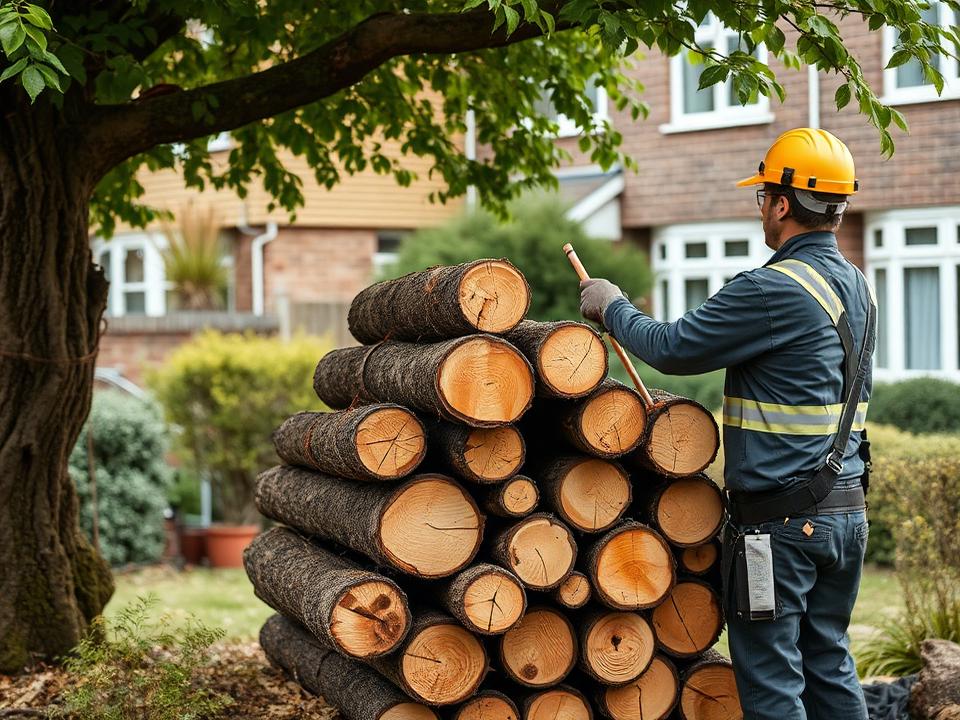
Plan cutting, lowering, timber handling and the finish required around the stump.
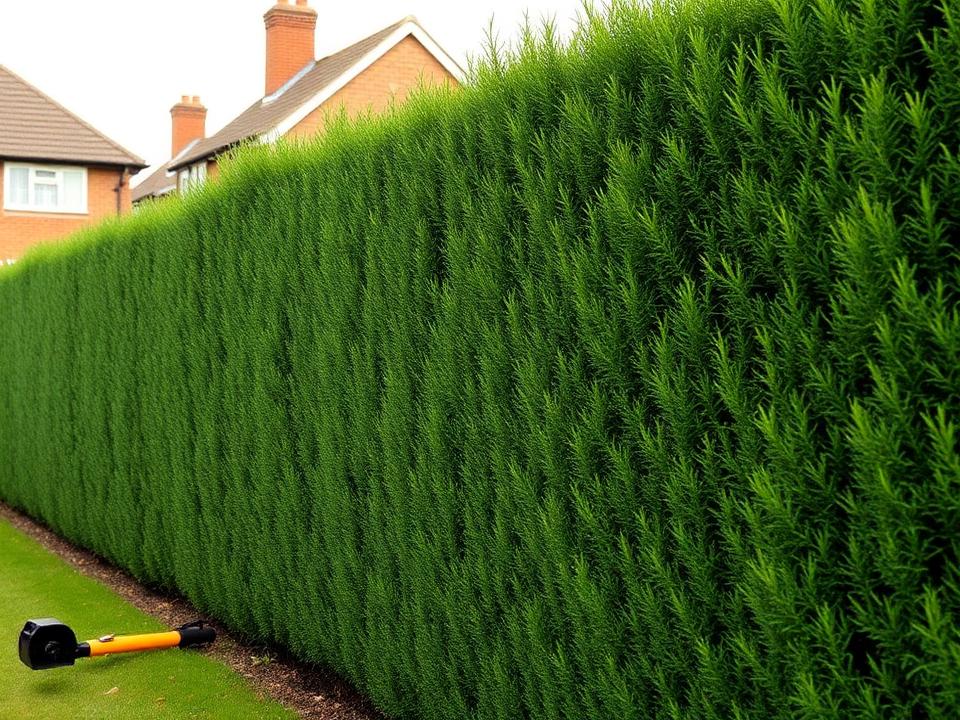
Agree the final height, face and width, with access and green-waste volume considered.
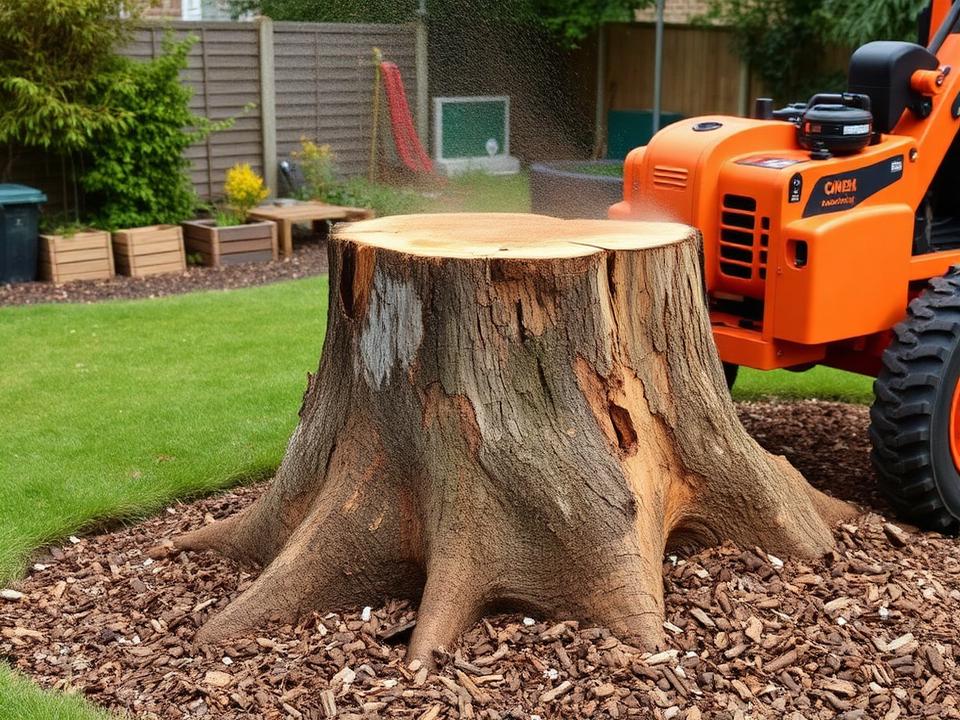
Specify access, grinding depth, arisings and how the ground will be used afterwards.
Service area
Include your postcode with the enquiry so travel, access and the most suitable next step can be confirmed before a visit is arranged.
Helpful details
The agreed scope can include bramble, ivy, self-set growth, shrubs, small trees, hedge cuttings, fallen branches and accumulated green waste. Soil, rubble, household rubbish, treated timber, asbestos and chemicals are separate waste streams and must be identified before pricing.
Yes, but the required finish needs to be specific. Cutting vegetation to ground level is different from removing roots and stumps, stripping a surface, importing soil or grading the ground. Explain the next stage so the quotation covers the preparation it actually requires.
Green-waste removal can be included, or suitable material can sometimes be chipped or retained by agreement. The quotation should state what leaves the property, what remains, and whether large timber, soil or non-green waste is excluded.
Photographs help show the size and density of the area, but hidden material and restricted access can change the work substantially. Wide views, close images and photographs of the loading route are useful; larger or heavily overgrown gardens usually need a visit before a firm quotation.
Work must be adjusted or paused where it would damage an active bird nest or disturb protected wildlife. Dense ivy, bramble, shrubs, log piles and outbuildings can all provide habitat, so the programme should allow for checks before clearance begins.
Free quotation
Send the postcode, photographs and a brief description. Include the intended result and any access concerns so the enquiry can be assessed accurately.