Clearance boundary
Mark the work area, retained vegetation, ownership boundaries, exclusion zones and any sections that depend on later approval.
Tree surgery · Tree removal · Stump grinding · Hedge and clearance work
Trees, scrub and vegetation
Planned vegetation clearance for larger plots, managed land and project sites, with boundaries, retained trees, access, constraints, material handling and the required handover finish recorded clearly.
A project specification
Larger-scale clearance can combine tree removal, scrub cutting, hedge removal, sapling work, brash processing, timber handling and stump treatment. The method and price depend on what must remain as much as what must be removed.
A useful enquiry includes a plan or marked photograph, the approximate area, site access, intended next use and any surveys or constraints already known. Boundaries, retained trees and exclusion zones should be physically identifiable before machines or cutting work begin.
Domestic overgrowth around a single home is normally better handled through the garden clearance service. Site clearance is intended for a broader, planned work area with a defined handover to an owner, manager or following contractor.
Before pricing
Mark the work area, retained vegetation, ownership boundaries, exclusion zones and any sections that depend on later approval.
Identify which trees are retained, pruned or removed and specify whether stumps are left, cut low, ground or handled by another phase.
Record gates, haul routes, gradients, ground conditions, overhead lines, known underground services and public or shared access.
Agree what is chipped, stacked, retained, removed or handed to another contractor, including the treatment of larger timber and non-green waste.
Coordinate surveys, permissions, nesting constraints, neighbouring operations and the point at which the cleared area is handed over.
Define whether the objective is access, visual clearance, cut vegetation, stump treatment or preparation for a specified following trade.
Constraints and retained features
Tree Preservation Orders, conservation-area controls, planning conditions, ecology, nesting birds, access agreements and utilities can all alter the workable area or timing. The landowner or project manager should confirm which checks and permissions apply and ensure the clearance drawing matches them.
Retained trees need more than a coloured mark on a plan. Their stems, crowns and root areas may require physical protection from storage, tracking and cutting operations. If unexpected wildlife, services, unstable ground or disputed boundaries are found, the affected work should pause until the specification is clarified.
Handover and exclusions
Cutting vegetation does not automatically include demolition, excavation, removal of contaminated soil, general rubbish, grading or construction-ready ground. Stump grinding also leaves wider roots below the surface. These distinctions matter where landscaping, fencing, drainage or building work follows.
The written quotation should record the vegetation covered, processing and removal arrangements, stump finish, exclusions and handover condition. Phased work can keep access open or allow surveys and approvals to progress, provided each phase has a clear boundary and completion point.
Common projects
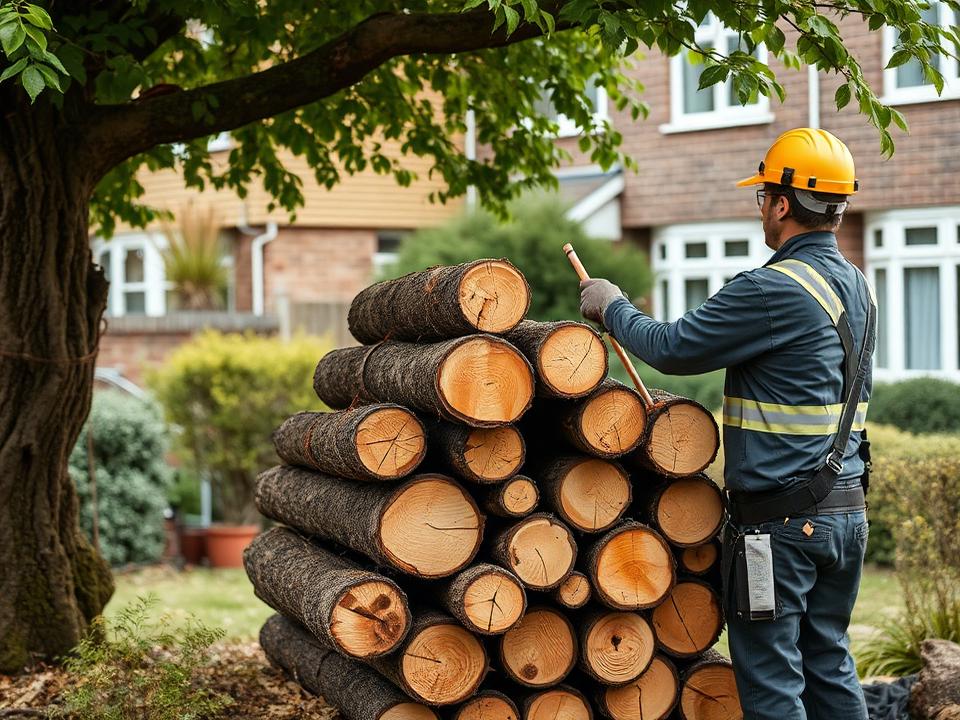
Plan cutting, lowering, timber handling and the finish required around the stump.
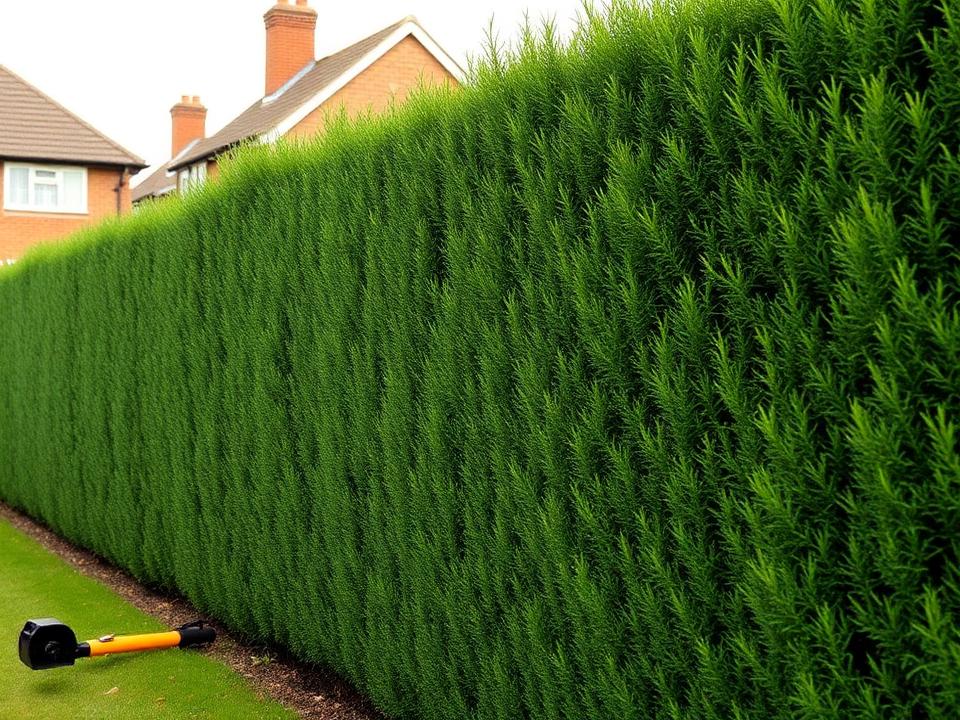
Agree the final height, face and width, with access and green-waste volume considered.
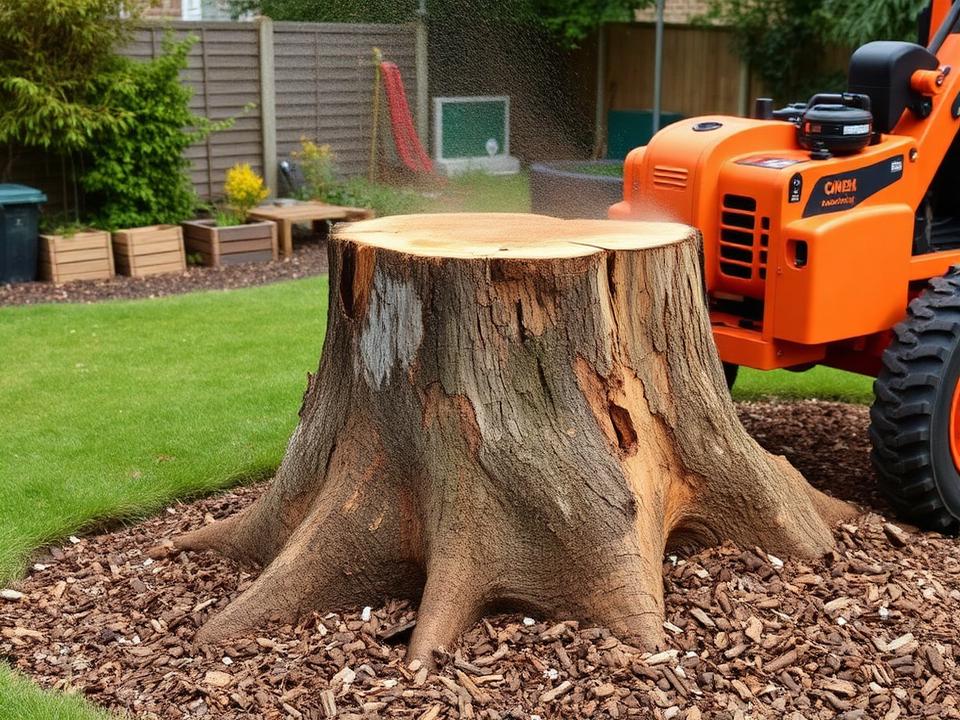
Specify access, grinding depth, arisings and how the ground will be used afterwards.
Service area
Include your postcode with the enquiry so travel, access and the most suitable next step can be confirmed before a visit is arranged.
Helpful details
A specification may cover trees, scrub, hedges, saplings, bramble, brash processing, timber handling and stump work. Demolition, contaminated soil, general waste, excavation and final ground formation are separate activities unless they are explicitly included.
Normally, yes. Photographs and plans are useful initially, but a visit is usually needed to understand boundaries, gradients, access, overhead and underground services, neighbouring property, retained vegetation and the volume of material to be processed.
Phasing can be useful where access must remain open, surveys or permissions are outstanding, retained trees need protection, or another contractor will follow behind. Each phase should have a clear boundary, finish and handover point.
The landowner or project manager should confirm planning restrictions and arrange any surveys or permissions required. The clearance specification should match those documents, identify retained areas and allow work to stop if an unexpected constraint is found.
Send the site address, an access plan, photographs, approximate area, the intended next use and any surveys or drawings already available. Identify retained trees, boundaries, utilities, public routes, programme constraints and the expected treatment of timber, chip and stumps.
Free quotation
Send the postcode, photographs and a brief description. Include the intended result and any access concerns so the enquiry can be assessed accurately.